What every parent ultimately wants
18 Friday Apr 2014
Posted in Uncategorized

18 Friday Apr 2014
Posted in Uncategorized
17 Thursday Apr 2014
Posted in Uncategorized
Tags
child-rearing, college, counseling psychology, fitness, Le Cordon Bleu, personal trainer, special education, sports
My mother died quite suddenly when I was a 20-year-old college junior. After my mother died, I had to live with the knowledge that we truly are promised no tomorrows and that each moment could be our last. Since we were very close, it was a life-altering event that very much shaped what I brought to being the mother of my own three daughters. That is very important to me since being a mother was something I knew I wanted to be for as long as I can remember. I knew it was one of my callings.
But, when you lose your mother at such a young age, before you really begin to have the questions that guide your life that only she can answer, it shapes you in ways you might not have anticipated. However, in my case, it was in ways that I believe enriched my daughters’ lives. So much so that sometimes I believe it happened for just that purpose. One of the most profound ways was in preparing them to meet this big thing we call life and all that it can throw at you. I’ve been thinking about this lately because my oldest daughter, who, with her two children, returned to live with me after her divorce, is packing to leave. She came to stay with me to save up for a house and she is in the process of making that happen.
When I had my daughters, now 25, 34, and the oldest who will be 36 next month, I began journaling about them from the moment I knew they were possibilities. I continued until after they left for college. If I died, I wanted them to know that I knew them, and loved them more than words could ever convey and wanted them to know what they were like and what they did. I wanted to give them the same sense of wholeness and unconditional love that my parents gave me that serves as the foundation for being able to have a confidence that cannot be broken—shaken maybe, but not broken. I wanted them to have the answers to the questions I was unable to ask my mother when I was pregnant with my daughters and raising them. They were questions a 20-year-old would not yet have experience enough to ask.
You can imagine how heartening it was when my oldest daughter was pregnant with her first child and asked to have the journals I had written about her. Even though I was there to answer her questions, she wanted to see what it was like when I was pregnant with her.
I taught my daughters to be self reliant and to have a sense of themselves that did not depend on acceptance by others. As you can imagine, none of my daughters pledged sororities. Oh, they were social creatures, alright. One one even made the attempt–in fact, the one least likely to do so. But, I’m sure it was this very sense of independence that her evaluators sensed that caused them to reject her.
I taught them to live with integrity and be willing to face the consequences of their actions, rather than live life trying to hide from themselves, which, of course, is impossible to do. When they looked in the mirror, I wanted them to be able to see themselves as they were, not someone they flinched at and wanted to hide from because they knew they were living a lie. I say that my father, a minister, taught me how to get to heaven, but my fiery mother, who thought nothing of giving you a piece of her mind, complete with cursing like a sailor if need be, taught me how to live on earth. It was my Dad who impressed upon me the importance of being able to look yourself in the eye and go to bed each night knowing there was nothing on your conscience to hide from.
I taught them to love all-in, know that none of us is perfect, try with all their might to make it work, but when it didn’t don’t be afraid to face that fact and move on to Plan B. Life is too short and your mission you were sent to accomplish too important, to allow someone else’s issues to take you away from your truth.
My daughter leaving has caused me to think about the process of letting go, and what we want for our children. At their ages, of course, I’ve done this before. High school graduation, college graduation, etc. But, this time, I think it’s final. You never know, but this may be the last one to bounce back. That would be great. Because every time I think I’ve settled into my empty nest, here comes one back again. It’s always for good reasons, and I’m glad to be able to accommodate them, but it does make you ponder things about life. This time, my pondering is about what we want them to leave us with. What we want to know they have when we are gone. Thinking about my girls has been a joy of remembrance.
A couple of years ago, it snowed and we were housebound for several days. My oldest daughter had recently moved back in after her divorce. She hates being cooped up. By the third day, she had had it. My driveway is steep, as is the hill leading out of the subdivision into the street. We are on the second block of the subdivision. This makes it extremely difficult to get the car out of the driveway, up the hill and onto the main road. When my daughter said she couldn’t stand it anymore and had to get out of the house and go for a drive with the kids, I thought, “Good luck with that.” I underestimated my girl. Before I knew it, she had not only shoveled her way out of the driveway, but also down the street and up the hill to the highway and was on her way. I could only stare in wonder.
I would never underestimate her again. That is now our touchstone. When she has doubts, I remind her that she was the one who shoveled her way out of the snow up the hill to the street, so she has no credibility with me when she says she’s not sure she can do something. Whatever is in front of her is no big deal. We both laugh, but it is enough to stiffen her resolve.
When she decided to get her masters degree in special education, and to become certified to teach art, she did it with a toddler at her feet and a newborn at her breast. She taught the toddler about the various types of art while she studied, so my granddaughter could tell you about abstract art vs. pointillism. When I visited, I could only stare in open admiration. She set a goal and moved toward it. My daughter accomplished both goals while working full-time as a special ed teacher.
When she came to live with me, the idea of being a grown woman with children and living with her mother was an anathema to her, even though it was necessary under the circumstances, given her goal of wanting to buy a house. She kept telling me that she had not been raised to live with her Mama. I told her that I was just glad to be able to accommodate her needs by having a place for her to stay while she worked toward her goal of having, once again, her own home. She is making it happen and is packing up as we speak, with all the excitement and anticipation she deserves for working so hard to make her dream come true.
Time after time, I have seen her set her goal, work toward it, and do whatever needs to be done to make it happen. Her determination, perseverance, discipline are incredible. I can die knowing that I don’t have to worry about whether she will be okay in life. She will be able to handle what comes.
My middle daughter is tiny. Yet, from the sumer she graduated from college with degrees in Psychology as well as Criminal Justice, she traveled the world alone. She is like a river; when she meets obstacles, she simply goes around them. She is amazing.
She wanted to spend the summer traveling in Europe, but he had no money. So she held an art show and for the first time ever, sold her art. She made enough money to get her through the entire summer and have some left over.
In September, she attended Le Cordon Bleu in Paris, and when that didn’t suit her, transferred to London and finished up her grande diplomé (this was back before they had them all over the US; back when you had to travel there to attend). When we went to London to attend her graduation, all the top French chefs who taught there expressed to me their great love for her and their sadness at seeing her graduate. She spoke little French, but had captured their hearts.
And this was my “difficult child,” the one I had to go visit the headmaster at her school about on more than one occasion. I finally realized when she was around 11 years old that she was never going to be compliant kid or color inside the lines of life. She was going to draw her own picture. She was always going to march to the beat of her own drum. I realized that my job was to teach her how to stay true to herself, yet navigate the world, and protect her from others who wanted to impose their expectations on her–and teach her how to eventually protect herself from them. Boy, did she learn that lesson well.
Being so tiny and traveling the world alone, she learned to do things like be ferocious and loud when she needs to in order to counter the idea people have that they can take advantage of her because she looks like a lightweight. Bad call to try that with her. She will set you straight in a minute and not give it another thought. It’s amazing to watch. You won’t make that mistake again. And you’ll think about it twice before trying it on anyone else.
She continued to travel for years, rejecting the lifestyle her classmates had adopted of getting 9-5 jobs, getting married and having kids. While they were doing that, she was on a mountaintop in Turkey cleaning toilets at a bed and breakfast to earn her keep and freaking out over a fellow traveler she met falling off the mountain to his death. Or she was waking up on the banks of a crystal clear lake on a fjord in Iceland to find a dead body floating in the water beside her. Or in a remote South Sea island teaching children with rotted teeth about the world they may never see and experience. Or getting lost in the deep Oregon woods with the state patrol calling me and asking if I was her mother and notifying me they could not find her (thank God they did!). Or having her clothes (and everything else) get totally moldy in the Costa Rican humidity while she was away traveling.
I had to set straight more than one friend or family member who asked, “Don’t you think you should make her come home and settle down now?” “Make her come home?” She was a grown woman! “Settle down?” Who was I too tell her what she should do with her life? I had not raised my daughters to have minds of their own, only to try to make them live the life others would choose for them–even me!
She worked hard to earn her masters in counseling psychology, only to call me one day and tell me that she decided during a counseling session that she did not want to spend her life listening to people pour out their problems when she wanted to scream at them, “Stop whining and get yourself together!” After all she had seen in the world, their problems seemed so trivial that she could not even make herself pretend to be interested in them not working their hardest to make their life what they said they wanted it to be.
I am ecstatic that she is now (sort of) settled nearby, but struggling with the idea of being in one place and with someone after years of being on the move and only having to account to herself. She is totally into health and natural medicine and is certified in many aspects of it. And she now teaches at Le Cordon Bleu. She said that with her two mothers, aunt and others of her family being professors and teachers, it was in her blood. 🙂
Being brought up as she was and navigating the world alone, she has learned whatever skills she needs for me not to have to worry about her being okay if something happened to me. The two of us went to a party recently with many of my friends. I thought I would have to pretty much take care of her since she was in unfamiliar territory. Wrong. I went to find her and she was surrounded by a circle of people who were marveling and laughing at something she was saying.
No need to worry about her. She will do fine in life. She has the skills she needs to deal with whatever comes.
My baby daughter shows me the meaning of perseverance every day when she gets up and goes about the business of living. She began college nearly ten years ago at age 16, and has yet to finish. Yet she is a certified personal trainer and owns her own business with a full schedule of clients. Even so, she agreed to also work at a gym when the owner approached her after seeing her hard at working out over a period of time and told her he’d be willing to hire her if she got certified. She told him she was already certified and had her own business. He hired her on the spot.
In addition, she practically works another job as a member, coach and trainer on her roller derby team. In just three years of skating, she made it onto Team USA, beating out 600 other women to join the roster to travel the world this year and skate for the US against teams from all over the world. She was just notified she will be traveling to the bouts against Germany and Austria shortly.
All this, and she has such fortitude, grit and determination. She loves sports, and will try any of them. Not only try them, but put everything she has into it. Even when she is hurting, she gets back in there and gives it her all like you can’t imagine. I could not scrape up that much competitiveness in myself if I tried.
She’s always been that way and it truly serves her well now. She works hard but still loves to have a good time and has never met a stranger. Sometimes I think she is still in touch with everyone she ever knew. She goes nowhere without people knowing who she is before she leaves. She has that kind of personality and it is totally genuine. People feel it.
I even appreciate the fact that as much as we would want her to finish college, she chose her own path and did what made sense for her and her interests. I’m not worried about her. She will be fine.
So, if I died today, I can go knowing that those absolutely incredible, intelligent, bright, imaginative, personable, vivacious, funny as hell, hardworking, loving, caring, productive, beautiful, young women I am honored to call my daughters, will be okay. They are why I wanted for so long to be a mother. They will be able to handle whatever it is that life throws at them. They are not perfect, nor need they be. They will continue to grow and change. But, the basics are there. They got it. Whatever they seemed to be thinking about (other than what I was telling them) when I was raising them, they listened. They heard me. They took what I and their other parents gave them and did their own thing with it. And that’s fine. They don’t have to be just like us. I love their version. I want them to do their own thing. But, at least I know they know what is important and can take care of themselves as they journey on their path. They know that they are in charge of their lives and have to work hard to craft that life they want.
And ultimately, isn’t that’s really all every parent wants for his or her child?
15 Tuesday Apr 2014
Posted in Uncategorized
Tags
Amos Lee, Barry White, Cher, Diana Ross, Earth Wind and Fire, Janet Jackson, Johnny Mathis, Luther Vandross, Michael Jackson, Stevie Wonder, the Supremes, the Temptations, Tina Turner, Yanni
Last night I had the distinct pleasure of attending an Amos Lee concert. I don’t go to many concerts. They tend not to be worth the time, money or effort for me at this point. I’ve had my share of screaming moments over the years for everyone from the Supremes and Temptations to Barry White to Luther, Earth Wind and Fire, Janet Jackson, Diana Ross, Stevie Wonder, Tina Turner, Cher, Yanni, Johnny Mathis, and many others (the excitement of Michael Jackson will never be topped). But now, I’m pretty much like, I’ll download it to my iPhone, thank you, or I’ll watch it on YouTube. At this point, if you want to get me there, give me somebody like Luther Vandross. Not only will I be there, but I’ll totally embarrass you by acting a fool. Since Luther isn’t with us anymore, that’s unlikely. But, when my BFF told me Lee, whose concert she had just attended (she’ll go see anyone…) was really good and he was headed to Athens, I booked it even though I’d never even heard of him. When I asked her what sort of music he played, she was about as vague as when she said she didn’t know his ethnicity. How does that happen?
Turns out, attending was a good move. Thank heaven our Civic Center makes the logistics such as parking easy.
Not only was the music good, but what I really loved was how she was absolutely correct about both ethnicity and music genre. It was such a lesson for me. Listening to Lee, I could not quite place his music genre. If there were any other black folk there, I didn’t see them, so I could not clearly use attendees as a clue. Amos’s appearance was not a clue, as I couldn’t really tell his ethnicity by looking at him. I finally Googled him and saw that he looked mixed. And because his music was such a mixed bag of rock, country, R&B, reggae, hiphop, Irish/Scottish dirge, blues and 30s and 40s songs, I could not even figure out what his genre was. It will tell you all you need to know about his music if I tell you that his cover of Beyonce’s “Single Ladies” emanated seamlessly from an Irish/Scottish ditty. My BFF was right. It was unbelievable.
Then came the best part. I finally wondered why it mattered that I couldn’t classify him. What difference would it make if I knew? I had to really think about that. That was sort of new for me because when teaching about such things, as I do, I say that it shouldn’t matter what people’s ethnicities or other labels are, yet here I was doing it. I was doing it even though fusion music that mashes up cultures and sounds is one of my favorite kinds. I love Native American music mixed with jazz, for instance. In fact, one of the biggest posters I have in my office is one I begged off the owner of a music store in Maui. It shows two guys standing next to each other: One is in native Hawaiian dress and the other in a Scottish kilt, each with their instruments. I love the audacity of it and I love that it demonstrates how we can meet across cultures. As polar opposites as they are, who would have ever thought to put those two together? Yet, there they stand.
I realized that so much of how we accept things presented to us is based on labeling. I’m sure there are complex reasons why, but we shouldn’t let it get in the way of enjoying it. I wanted to classify his music so I could understand what it was so I could better appreciate it. But, did I really need to do so in oder to enjoy it? Did it matter if it was a country song and if he was black? Or an Irish/Scottish jam and he was black? Or that it was hiphop and he was white? Or that it was Zydego and he was not from Louisiana? Why couldn’t I just let my ears determine what I liked or didn’t? Why did I need to place it in a box and interpret and process it in order to decide if I liked it?
I wanted to know what his race/ethnicity was, so I would know what to expect or how to interpret what he did. But, did I really need to know? Wouldn’t doing what I wanted to do put him in a box that only allowed him to engage in certain acts in order to be judged “authentically” whatever I thought he was? He had smooth, totally cool swagger that I attribute to my tribe, black folks. Yet, he did not let that define who he was. It didn’t matter when he was in the midst of sweating it out in a Irish/Scottish jam session, or a sad-story country song, or an upbeat hiphop selection.
What a great vehicle for getting me to examine these issues. I loved that experience! What a great reality check for me.
So, today, as it happens, I was reading an assignment submitted by a white student about being out of his comfort zone at a campus-wide Greek sorority/fraternity event because he was one of only a few whites in the audience and he realized that he had never seen blacks in their own environment totally enjoying and interacting with each other. He’d only experienced them as one of a very few in a class of many. Because he did not understand the environment and culture and music that everyone else there totally understood, he felt so left out that he almost left. All they were doing was jamming to the music and enjoying each other. But since it was so different than what happened in his culture, he didn’t know what to do with it.
I think he was doing what I had done, but he did not process it enough to be able to truly enjoy the event. He got stuck in feeling like since he and his culture were not the center from which he generally viewed things, he could not enjoy it.
I am glad I checked myself in plenty of time to just relax and go with the flow and determine that regardless of what his race, regardless of what his musical genre, whether either could be determined by me or not, it was just a great opportunity to hear great music.
And, at the same time, to learn a great set of lessons. It may seem to make things easier in our heads to be able to categorize, classify and label, and it is human nature to do so, but it is a double-edged sword. Once we do that, we confine, relegate to certain space, and thereby limit the possibilities. Not good.
So, you GO Amos Lee! Do your thing, whatever it is; whoever you are! Don’t let people label you and thereby confine you! Keep mixing’ it up and teaching us that great music need not be labeled and racial and ethnic labels do not dictate musical genres.
Love it!
13 Sunday Apr 2014
Posted in Uncategorized
Tags
Amy Stewart, Ariana Sanchez, Bernadette Barton, Bodies of Knowledge, David Halperin, Dr. Jane Ward, Dr. Lisa Johnson, Ethan Johnstone, Gary Lee Pelletier, Heather Talley, Jennifer MacLatchy, Leigh Hendrix, LGBT, Nicholas Guittar, Shana Hirsch, South Carolina legislature, Spartanburg SC, Thomas Page McBee, University of South Carolina Upcountry
Thursday I drove a couple of hours to the University of South Carolina Upcountry in Spartanburg to attend their 6th annual Bodies of Knowledge symposium. This year’s symposium had LGBT issues as a theme. While these are issues that I care very much about personally as well as professionally, I had no intentions of attending the symposium. The semester is ending, with all the madness that comes with that, I had calendared events to attend, and it simply wasn’t in my day.
But sometimes you have a plan and life takes over. A few weeks before a friend who had taught in the SC system sent me a link to an article about the SC legislature taking money away from programs at a SC college after they assigned an LGBT novel by Alison Bechdel, saying it promoted a “gay lifestyle,” whatever that is (there is no lifestyle….it’s just a life).
I was really upset about it for two reasons: (1) with me being female and my longest relationship (15 years) having been with a female and knowing that landscape in a personal way, I know the negative hype about LGBT issues is absolute and utter nonsense, and 2) as a professor whose classes delve deeply into workplace discrimination issues as defined by our laws, I understand that professors need to be free to assign things that may make some uncomfortable. But if it allows students to explore, it transmits knowledge, enlightens, and takes students to a new understanding based on knowledge rather than whatever other garbage is in their head, then it is a good thing. In fact, it is more than just a good thing, it is what education is about.
One of the mottos of my university is “to inquire into the nature of things.” You can’t do that with your hands tied about what you can assign to accomplish that. That is, in part, what academic freedom is about. I understand a legislature, in part, ultimately provides funding for public institutions, but they must not allow their personal issues to get in the way of the search for understanding and enlightenment that is the very basis of education in the first place. Education does not only seek to enlighten only about what we may like or agree with.
So, I was pretty upset that the SC legislature had intruded so heavily into the space of education. If it happened to them, it could happen to us. I immediately forwarded the email to our president as a heads up.
Then a couple of weeks later I received an email saying that the SC state legislature was so upset about the Bodies of Knowledge seminar that it had become a news event. The director of Women & Gender Studies, Lisa Johnson, had been receiving vicious hate mail and was really feeling targeted. I immediately emailed Lisa, who I did not know, words of support. She was very grateful and told me she was feeling very vulnerable and threatened.
The more I thought about it and the more I thought about how I would feel in a similar situation, the more I realized I needed to do more. I let our director of our LGBT center know that I was willing to pay the registration fee of up to ten students if he knew of any who were planning to go. It was clearly not to entice students to go, but only to support them if they had planned to do so. I knew that with only a couple of weeks left in the semester, they might be able to put it in their schedule, but the gesture was important to send the message of the importance of fighting oppression and injustice wherever it arises.
And I decided that I myself would go. Nothing says support more than simply being there. The school was only a couple of hours drive and the registration fee was only $25 rather than the usual hundreds, so everything in me was saying I needed to do this. Having been to much larger resistance situations including marches and sits ins on civil rights, issues including race, gender and LGBT, I figured that showing up to learn more at an academic forum the state legislature found threatening to the future of its population was the least I could do.
So, I cleared my schedule and made the drive. As I was at the registration table, a woman who heard me give my name approached and asked if I was the one who had emailed. I said yes. It was Lisa, and she immediately moved to shake my hand. I said, “A handshake? This deserves at least a hug!” She said she didn’t want to presume, I told her it was an expectation, so we had a warm hug and chatted about her recent travails and the importance of my coming. She was so, so glad I did.
The presentations that day and the next were top rate. They were excellent academic vehicles to explore various aspects of the LGBT experience and try to bring understanding and enlightenment. Dr. Jane Ward (“Not Gay: Straight White Men, Homosexual Sex, ad the Making of Heterosexuality”), Thomas McBee (“Born in the Right Body”), Dr. Bernadette Barton (“The Extraordinary Lives of Bible Belt Gays”) were mind-blowing, well done and exhaustively researched forays into new areas of exploration even for those of us familiar with this territory. Paper presentations by student panelists were top grade: Panel I: Queer Moods, Moody Queers included “Undoing ‘Normal’ After ‘Born This Way'” by Masters candidate Jennifer MacLatchy, “Our Beloved Qranks” by Ph.D. student Gary Lee Pelletier, “Wake Me Up When September Ends: LGBT Suicides, Empowerment Music and the Anti-Bullying Movement,” by Shana Hirsch. Even the students who introduced speakers had great, great comments which led me to worry a tiny bit less and appreciate even more, the power of education in SC: Chase Moery, Ariana Sanchez and Stacey Gullion.
It was my daughter’s birthday, so I had to leave the symposium in the early afternoon in order to attend her birthday dinner in Atlanta, so I was unable to stay for the second panel. But, it included such damning, world-ending topics (I am being sarcastic here, in a tip of the hat to the SC legislature—I have to say that because they have shown they are unable to tell the difference between reality and sarcasm–see below) Ph.D. Nicholas A. Guittar’s “I’m Not the Stereotypical Lesbian: Gender (Non) Conformity and Coming Out,” Ethan Johnstone’s “How To Build Your Own Community,” Dr. Heather Talley’s “Queering the New Normal: Harm Reduction in an Age of Gay Progress,” and Ph.D. student Amy Stewart’s, “Passages of Apprearing: Arendt and the Existential Politics of Transgender Liminality.”(take that to your Lesbian Hootenanny!–see below) I also missed the last speaker, David Halperin, on “What is Sex For.”
The opening performance the first day was to be by Leigh Hendrix, a comedian who was to perform “How to Be a Lesbian in 10 Days or Less.” Unfortunately, her performance was yanked by the powers that be because the SC legislature looked at the title and decided it was intended to recruit innocent young women into the “lesbian lifestyle.” One legislator commented on a local newscast that he did not know what the presentation would be about, whether it was an academic presentation or a “lesbian hootenanny,” but it should not be permitted.
“Lesbian hootenanny“? Did we really need to sink to that level of discourse, or even thought process in this day and age?
Failing to see any satirical value (or not having enough knowledge, even in this day and time, to realize the possibility of satire rather than reality), Hendrix’s performance was cancelled. Thank goodness she later spoke on the issue of what it was like to have her work, previously performed in several venues, banned in SC. We gave her a roaring reception, I’m sure, born of our emotion at the ridiculousness of having her performance banned by a body that was responsible for creating laws for an entire state’s population but was clearly willing to kick some of its members to the curb.
Lisa is to be given major kudos for her courage in putting on the event despite the backlash, and for delivering such a magnanimously gracious, insightful, and urbane set of opening remarks both days and for bringing together such an extraordinarily knowledgeable group of presenters for the symposium. She truly demonstrated that she is willing to perform her task as an educator of facilitating “inquiring into the nature of things.”
Even though I had to clear my calendar, pay for it on my own, and even walked out of the house without picking up off the bed my outfit for the next day (yikes!), it was worth every minute I spent at the event.
Lisa needed to know she wasn’t alone, that others knew of her plight and supported her efforts to stand up in the face of flagrant oppression of an unprotected group by those in power and the encroachment on academic freedom by the Goliath of the legislature. I was glad to be able to lend that support.
Sometimes, you just need to show up and take a stand.
09 Wednesday Apr 2014
Posted in Uncategorized
Tags
Emancipation, fabric, gardening, peace, quilting, quilts, savery, sharecropping, treadle sewing machine
One of my blog followers wrote and asked why my blog had the name it does. Great question. Such a big one. Since I had planned to write about it anyway, I suppose now is as good a time as any. Thank you, Sreedevi!
This is a really profound question for me, so bear with me as I answer it. If you have read my blog posts, you know that between between a lawyer, a professor and a writer, nothing is answered in a few words. For me, this is even deeper than most things, so you are forewarned.
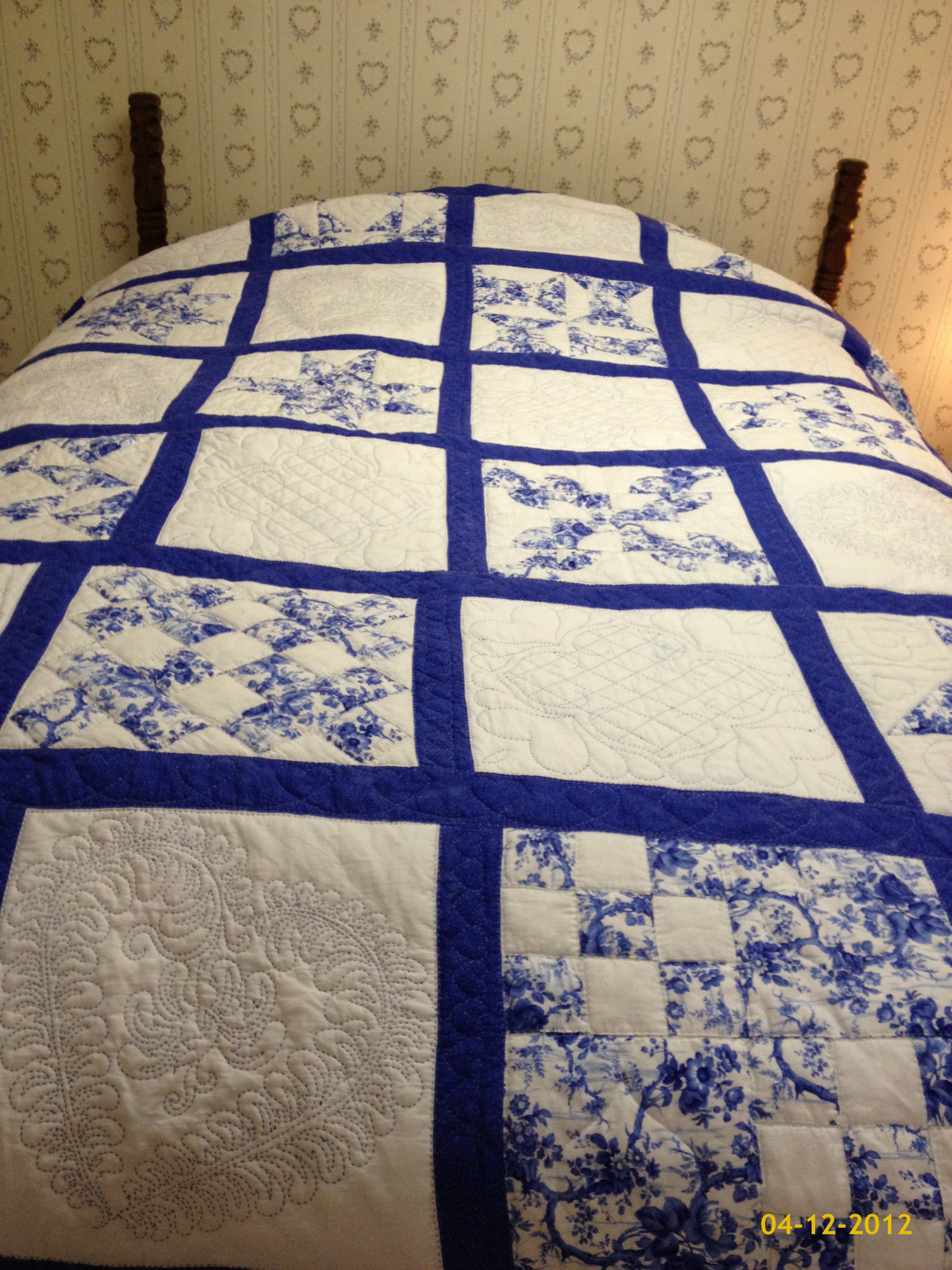
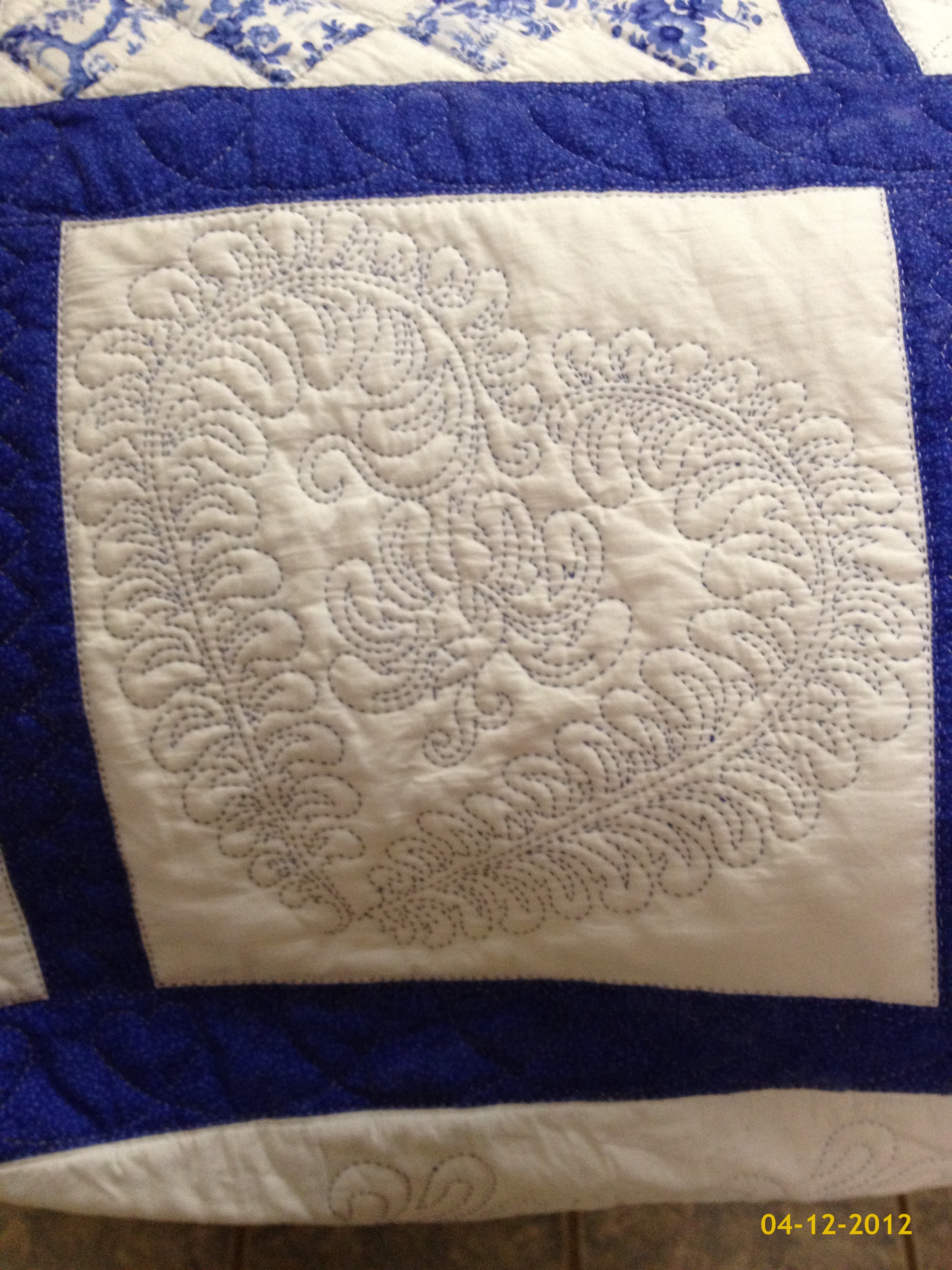
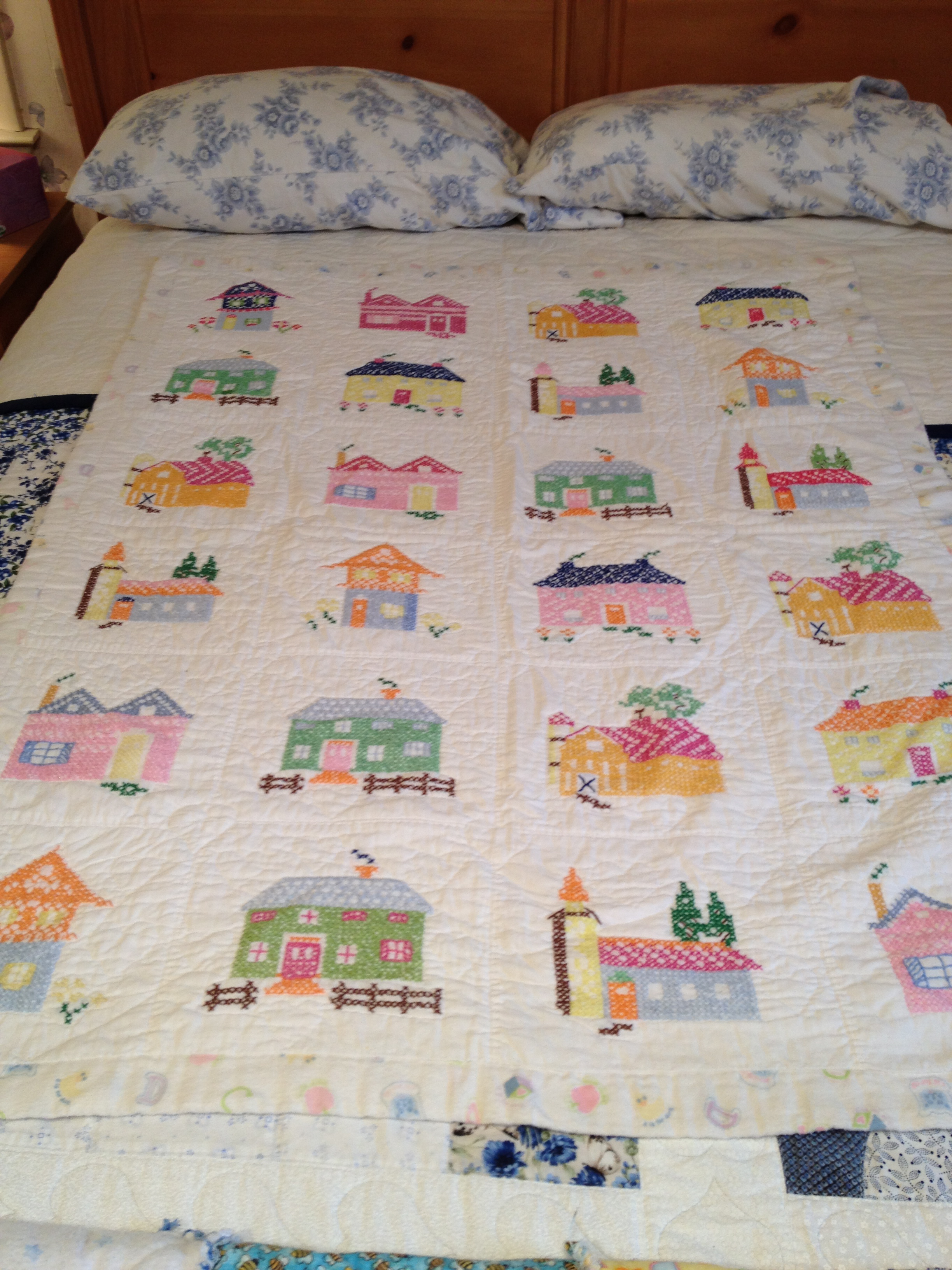
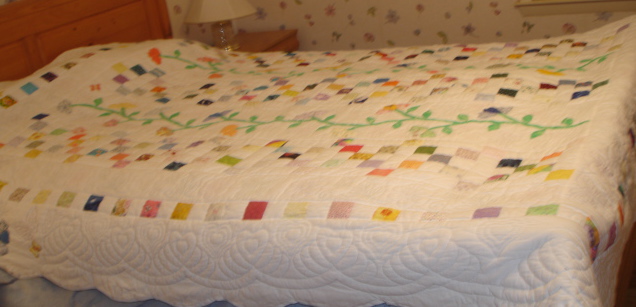
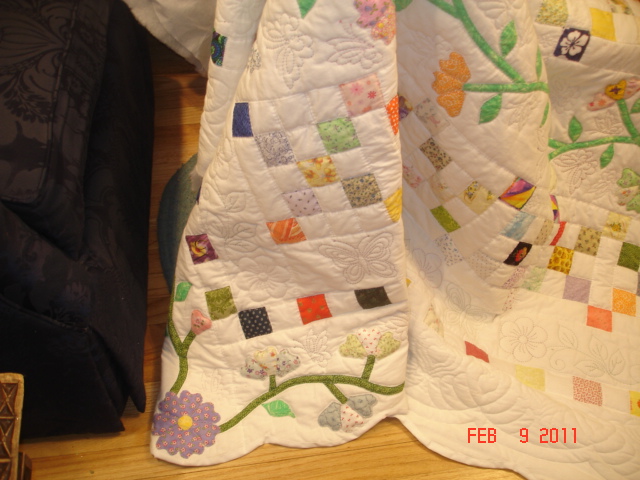
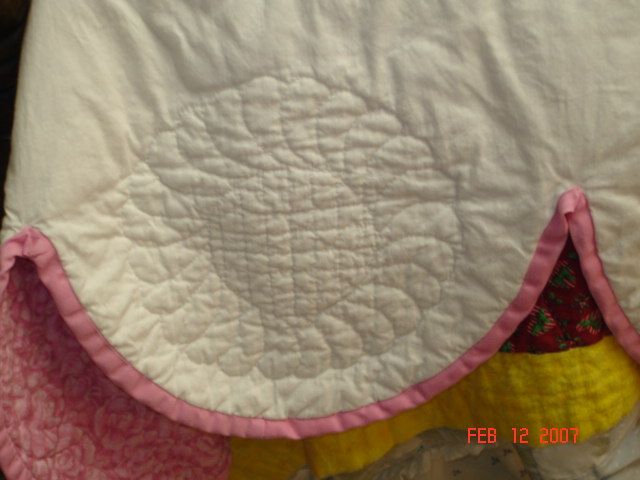
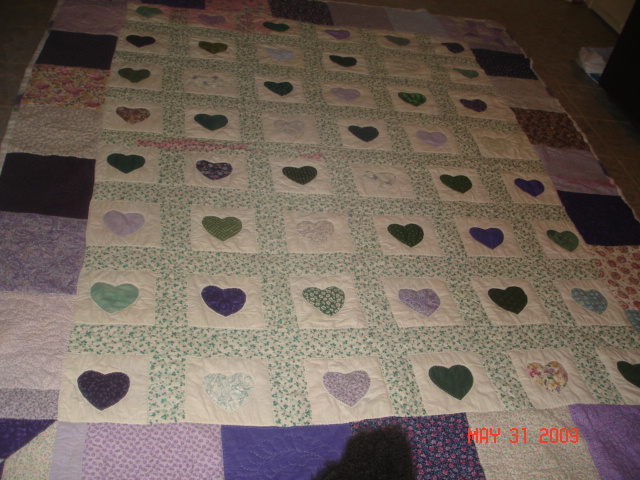
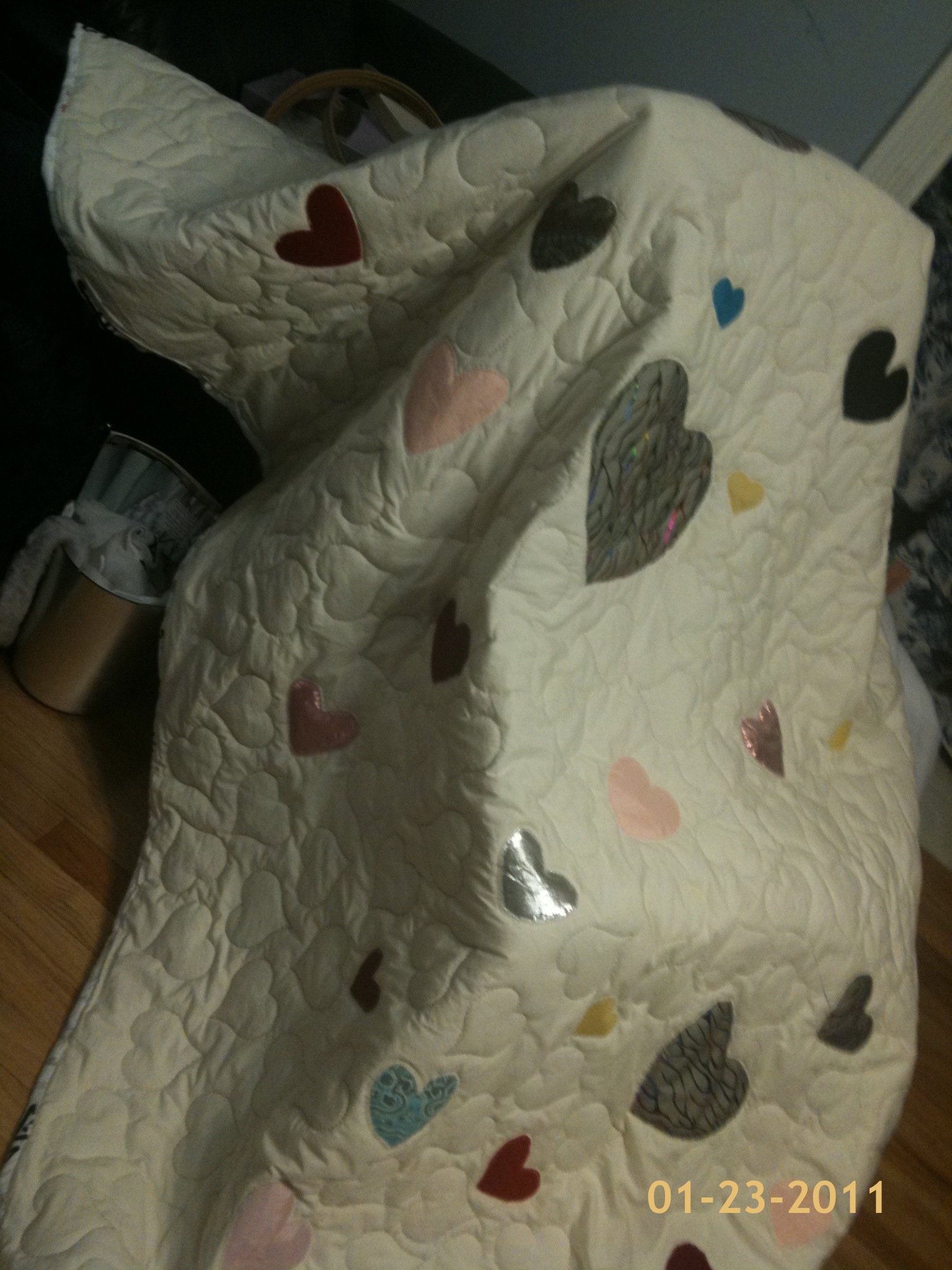
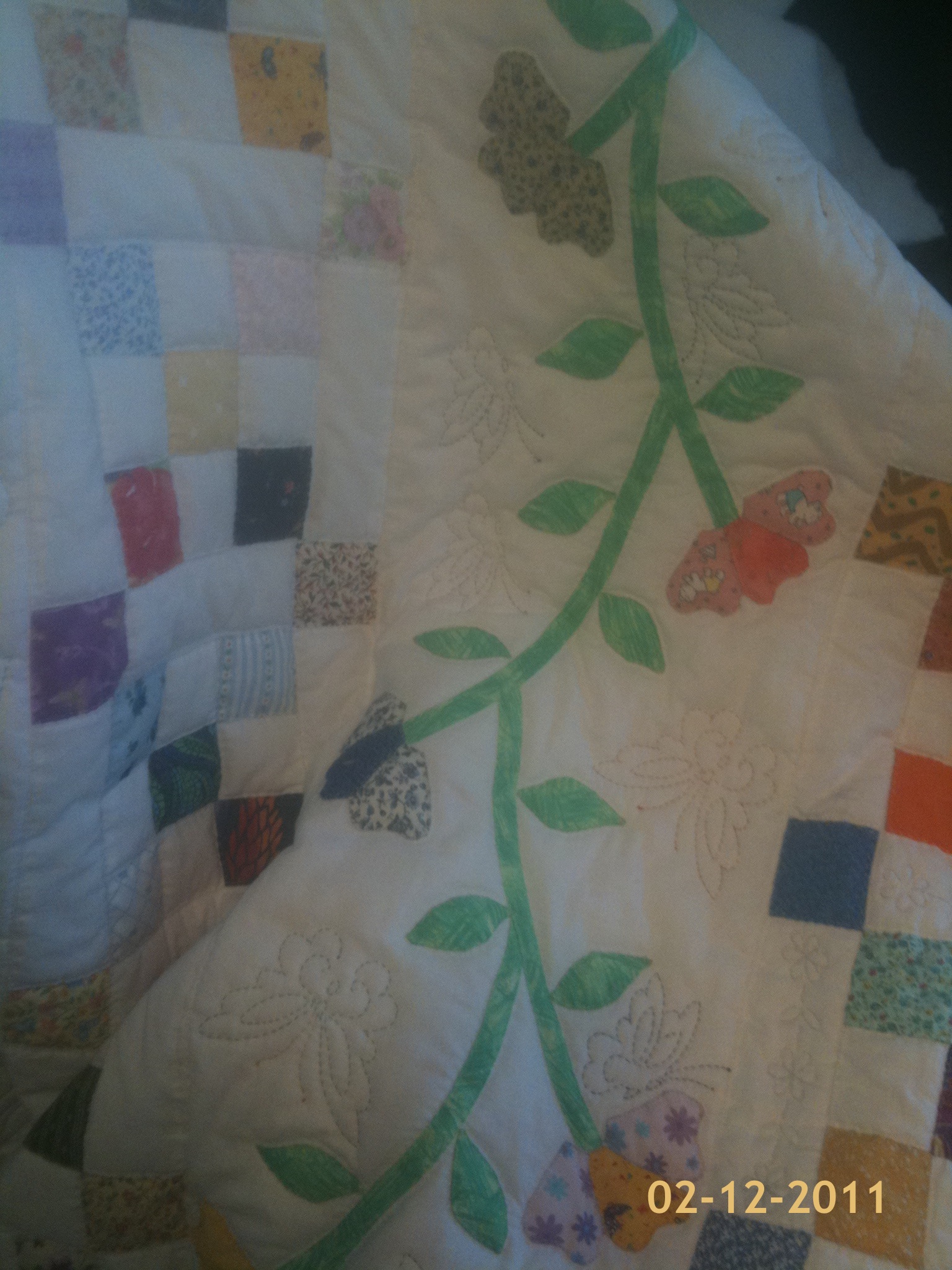
Of course the spelling of “peaces” is intentional. It is a take on the word “peace” and the fact that I am an avid quilter. The name of my house is Contentment Cottage. As I once wrote in a poem, “so named because that’s how it feels.” Love and peace is what my life is all about.
Most often, I find that things I really like, like gardening and quilting are, in some ways, metaphors for life for me. I learn so much that I can apply to life. There is nothing like bringing an ailing plant back to life to remind you that anything is possible. Or seeing a neglected, overgrown beloved garden brought back to its beauty, to believe in the miracle of belief, hard work and perseverance. I’ve done both and the act of doing it is so much deeper for me because of the application to life.
There are many things I love to do as an avocation, but perhaps my favorite is quilting. Like gardening, quilting is a way of me connecting to my ancestors and channelling the strength they give me to make this journey of life.
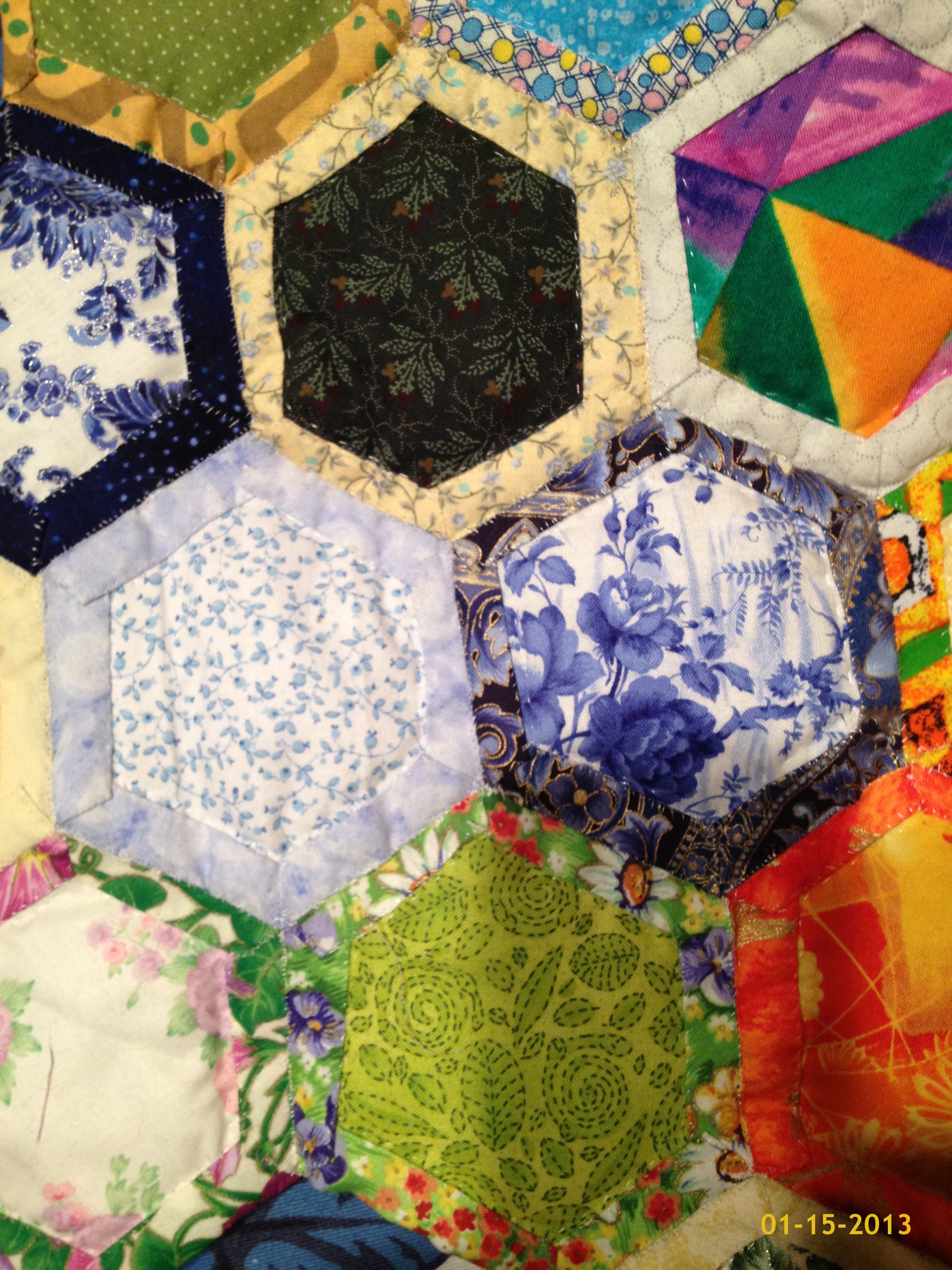
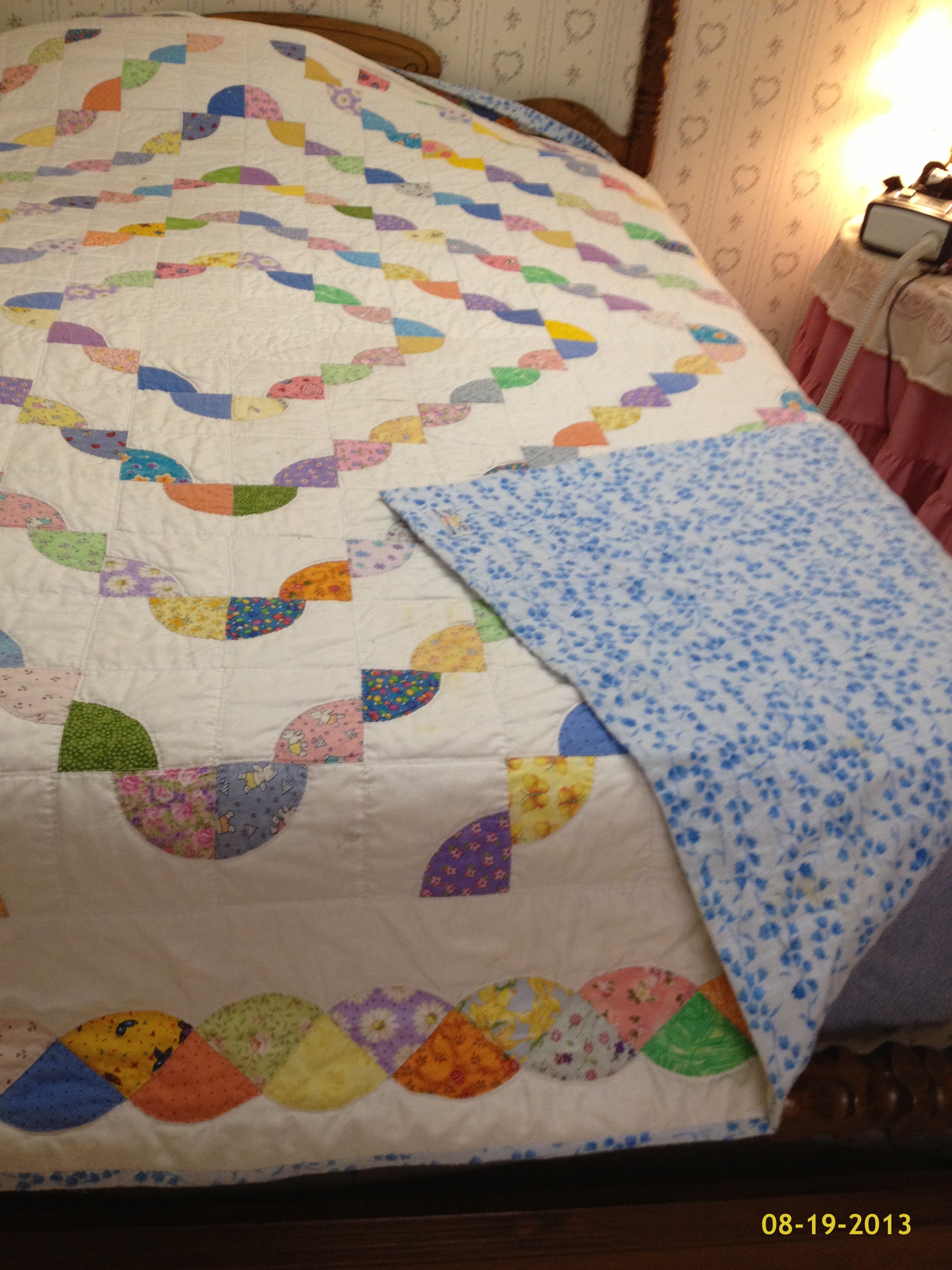
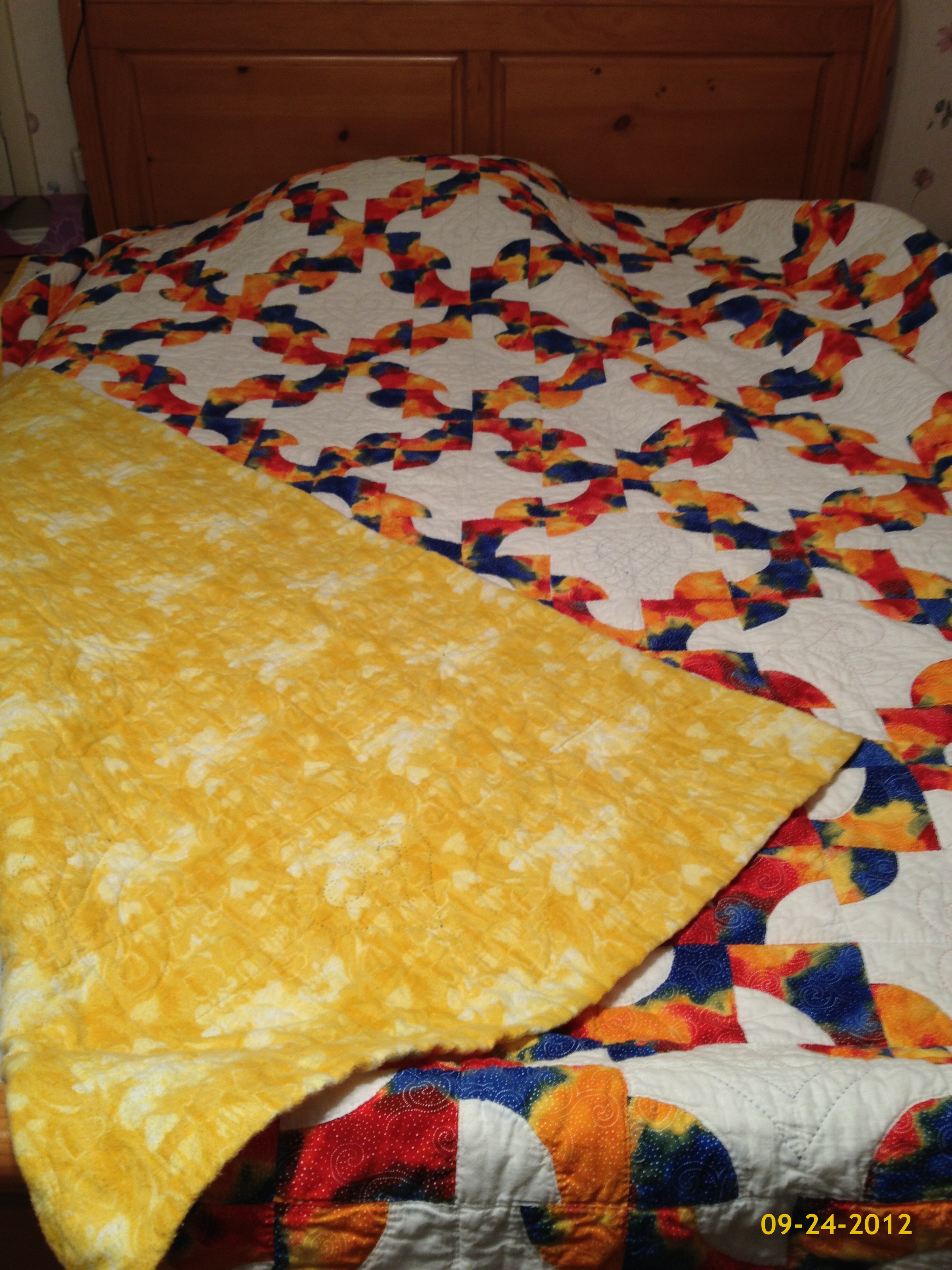
I do most of my quilting completely by hand rather than machine. When I walk into my sewing room and look at my rows and rows of beautiful fabrics I have gathered over the years from all over the world, they are not just beautiful fabrics for me. They are a reminder that my ancestors had to use what they could to make quilts–often rough flour sacks or outworn clothing. No beautiful fabrics for them. But, they used what they had. I do not take for granted how lucky I am and how indebted to them for the sacrifices they made so I could be here and have something as simple as such an incredible range of such beautiful fabrics from which to choose.
I am blessed to have the sewing machine that my great-great grandmother had. It was my Grandma’s grandmother’s sewing machine and I was told that my great-great grandmother was a slave (which I saw in the Census) who made her living by sewing after Emancipation. It is probably the most irreplaceable thing I possess. I would be crushed if anything ever happened to it. If my house was on fire, it would be a real toss up between grabbing that and the notebooks I’ve put together of my three daughters’ lives, including their first scribbles on paper, their drawings, stories, report cards, etc.
When my ancestor’s quilted, it was not, as it is for me, a luxury. It was out of necessity. The one-room wooden shacks they lived in as slaves and sharecroppers did little to keep them warm in winter, so quilts were one of the things they kept them not only warm, but alive. When I sit down to quilt, it is at a time of my choosing and I can engage in other things like listening to music or watching TV or movies while I quilt. I work at a profession that does not have me toiling in a field from sun up to sundown, then have to come home, cook for my family from things I have only because I grew them or raised them, fetch water from a well, or work with a stove for which I had to chop wood.
I simply gather my things and sit down and quilt in the luxury of a beautiful, comfortable home I was able to pay for that only has a fireplace (gas, at that) because it is a cozy place to gather in winter.
All of these are things I think about as I sit and peruse my quilting books and magazines, decide which quilt I want to make, decide on the fabrics I wish to use from my extensive fabric stash (or go get more from the fabric shop), cut out the pieces by hand, and begin sewing them together by hand, stitch by stitch until patterns begin to form and what I am creating begins to come into focus (I often have no real idea what it will look like until it is totally finished).
Since I have been quilting for about 50 years or so, it is hard to recall for myself, but from trying to teach friends, I know that quilting takes patience, vision, persistence, fortitude, subtlety, and many other things in addition to pure skill at sewing.
One of the things I love about quilts, especially handmade ones, is that when I see a quilt, I know that I am looking at someone’s life. I know what it took to create that huge undertaking from start to the last blessed stitch. I know the meals that didn’t get made, the cramped back and hands, the days, months, sometimes years that came between stitches, the exasperation of taking out stitches to redo them when they don’t meet your standards, the frustration of having a Christian (my three-year-old grandson) decide to find the scissors you inadvertently left thinking you’d be right back, and decide he would try them out on the beautiful quilt blocks you so skillfully created. Bless his heart 🙂 And you being grateful you have more of the same fabric to re-create them– again.
A quilt isn’t just something someone snuggles under on a cold night. It is a part of the maker’s life you are snuggling under.
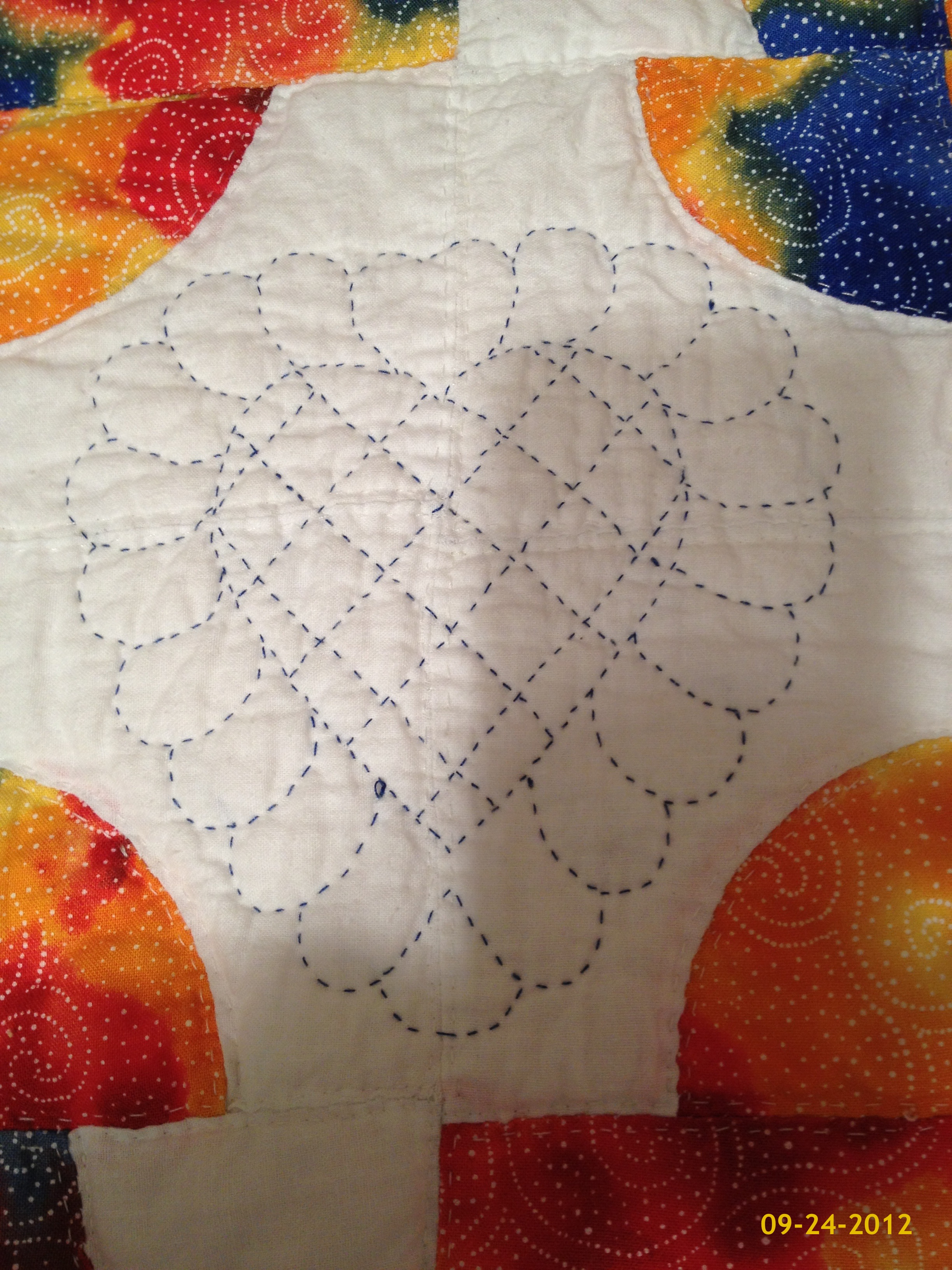
There are very few people outside of my immediate family who can say they possess a quilt I made. Oh, I’ve made comforters for many others—and they are nothing to sneeze at. They are wonderful too. But not quilts. Quilts are far too personal to me for me to have just anyone have them. I’m giving them a huge piece of my life. I am giving them the energy I have put into each and every aspect of what they can see and feel. I stitch my energy into each and every movement I make to get the finished product, whether it is thinking about what fabric to use or what thread to use for quilting, what quilting pattern will grace my quilt, or the stitches themselves.
My energy is important to me. I don’t quilt when I am angry and I don’t allow arguments while I am gardening. My gardens are a place of peace and tranquility. I don’t want negative energy there. I believe one of the things that makes my quilts so special to anyone who possesses one is that they feel my absolutely positive, loving, peaceful energy that was worked into it as I created it. Just ask them.
As I quilt and think about my ancestors and have them with me as I do, I also run into many life lessons. A difficult piecing that I think I will never get right turns out beautifully, teaching me not to let my initial reservations rule. A quilt I thought I’d finished needs stitches taken out and I learn that what I thought to be a daunting task is, in fact, doable. I begin a quilt and life interferes (like it has done now for the past 4 months) and I don’t get back to it for ages, and I am reminded that interruptions are a regularly scheduled part of life and not necessarily a bad thing. Something I thought would look beautiful together looks awful and I learn that not everything in life that I think will work will, in fact, work. Stitches I lament over as I do them, end up blending into the entire quilt invisibly, and I learn that everything I stress over isn’t as big as I think it is.
These may seem like tiny little things that don’t matter, but I have learned that in my life they absolutely do. Learning what I learn as I put those little pieces together into a beautiful whole apply to virtually every other aspect of my life. Piece by piece, stitch by stitch, I come up with a beautiful end product that I fall in love with the minute it is finished and cherish forever. What seemed like completely random little pieces that didn’t amount to much end up giving me or others privileged to be under them hours of comfort, peace and pleasure.
Minute by minute, day by day, we’re all just taking the random sometimes seemingly unmatched and incongruent pieces of our lives and trying to put them together and make sense of them as we create our own whole life quilts.
In the process, I try very hard to do my quilting, in life as well as in fabric, with love. Doing so gives me a peace that surpasses all understanding. A place from which I can move out into the world and offer that to others. A centerdness that comes from knowing the deep roots of my ancestry and my connection to it as a seamless line from all of them to me, and my way has been paved by their trials and tribulations. An understanding that I am a child of the Creator whose Divine purpose for me will be revealed in time as I go along. And an understanding that I have a duty to share that peace with others in any way that makes sense at the time. It could be by offering to teach them to quilt, lending them an ear, giving them a shoulder to cry on, baking them a fragrant loaf of bread, cussing someone out (a woman’s gotta do what a woman’s gotta do…), making them a comforter I can tell they need to feel the peace of, laughing with them, or if need be, crying with them, writing words I think will help them, encouraging them to reach for their higher self, or just quietly sipping a cup of tea with them.
It means I meet the world without an agenda. I don’t engage in ulterior motives. With me, what you see is what you get. Yes, I am as positive as I seem. Nope, there is no ulterior motive to me telling you you look great, or I love your outfit or that you did a great job or you have the most beautiful eyes or a great smile. I try to live at the simplest level and not get caught up in the drama of life.
For me, life is all about the lessons we are to learn, so I try hard not to get caught up in the vehicles the lessons come in. I’m always looking at the bigger picture. It’s not that Christian cut up my quilt blocks; it’s what the lesson was for me (put the scissors up each time! 🙂 ) Those lessons are revealed to me in the things I experience either myself or through others. The lessons all add to my understanding and those lessons turn into the peaces I have been given and what they are to create.
All I have to do is to keep on stitching my quilt, peace by peace.
P.S. Please don’t walk away from this thinking I don’t get angry, pissed off, hurt, disappointed, etc. I do. But, it is in the context of the above and I always come back to what is real for me.
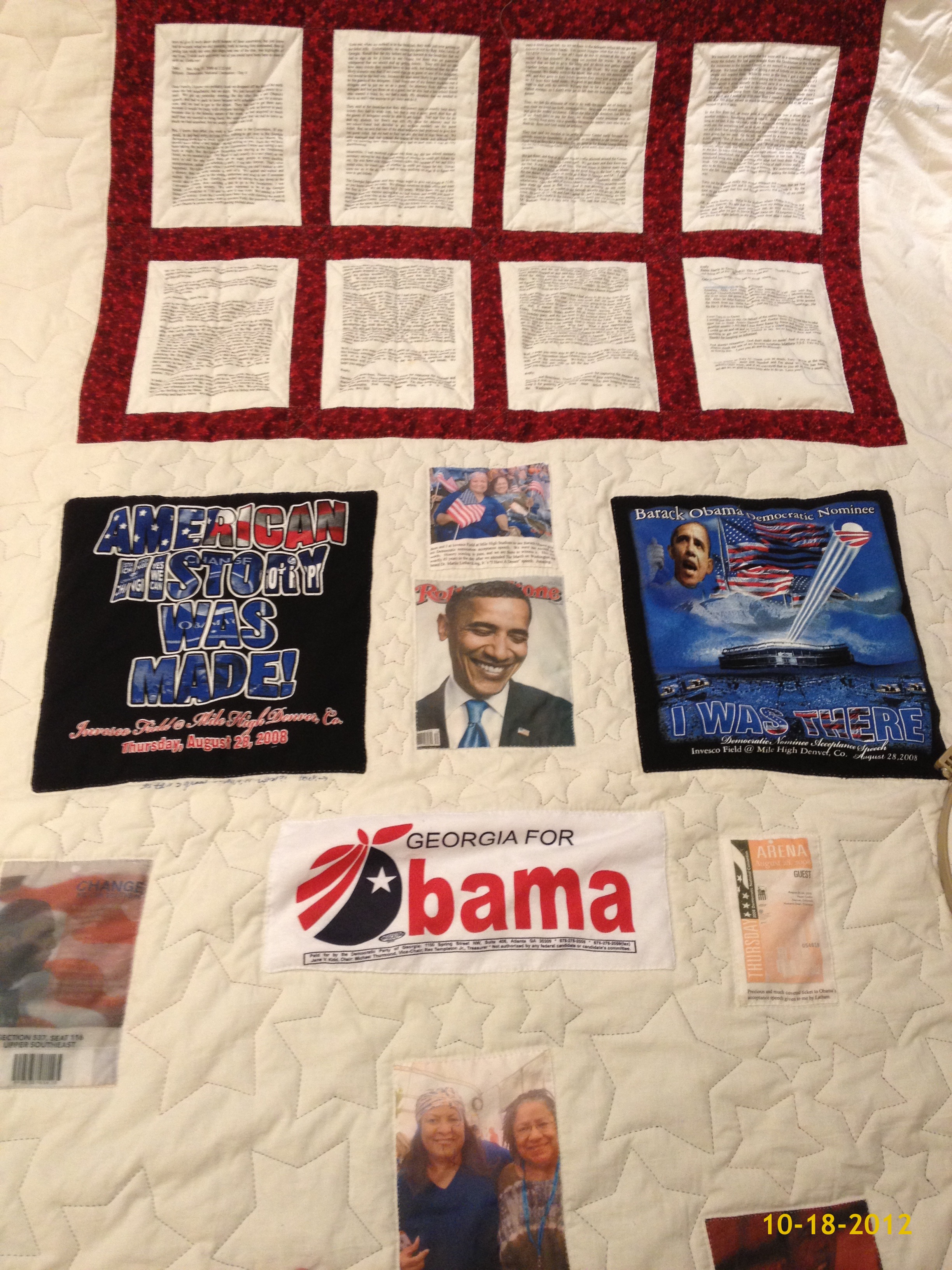
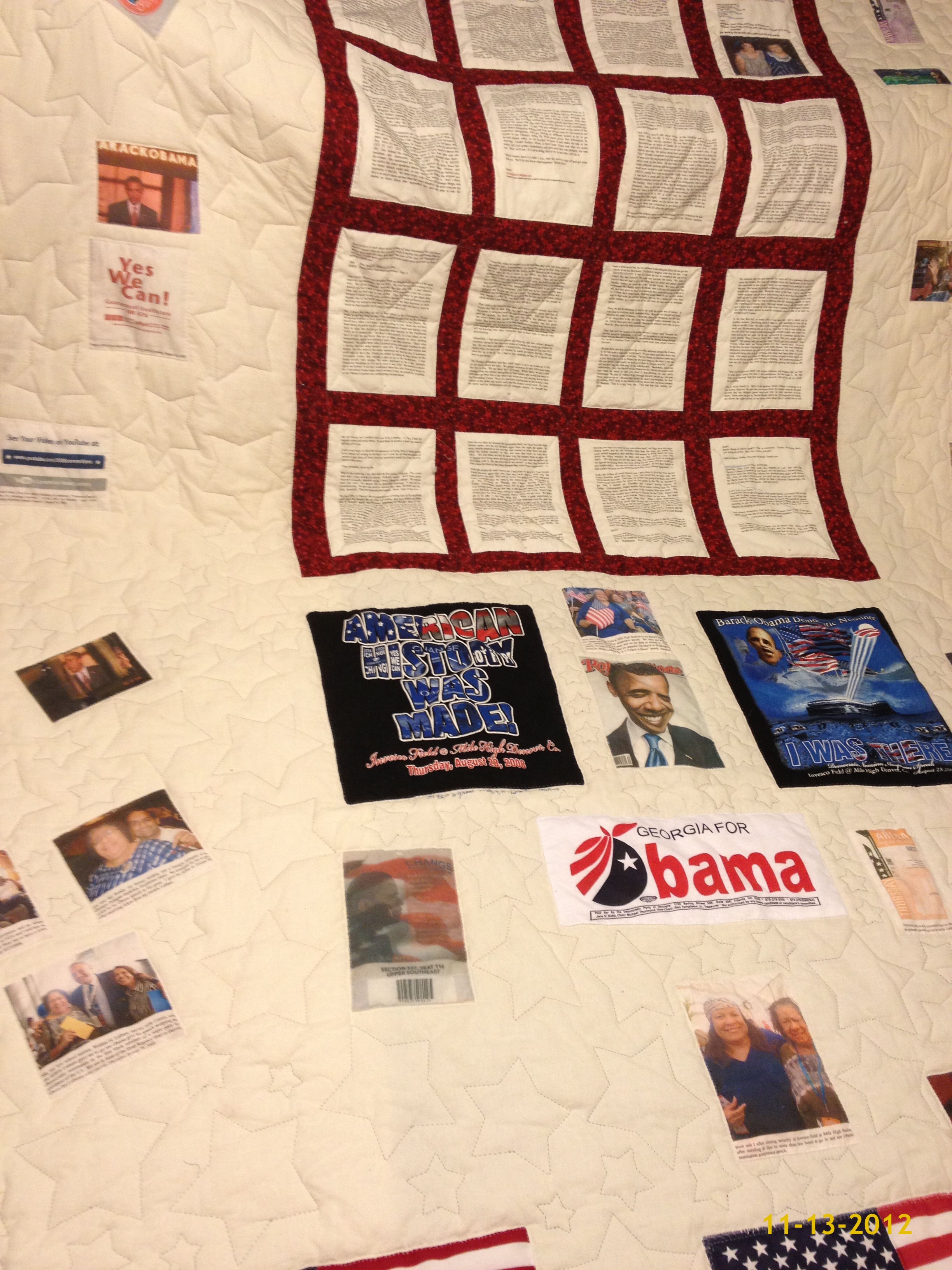
P.P.S. After posting this, I realized it might be a good idea to include some pics so you can get an idea of what I’m talking about.



07 Monday Apr 2014
Posted in Uncategorized
Tags
Yesterday I had the pleasure of attending a Branford Marsalis jazz concert at my university. I forgot to get tickets, so I took a chance and went over to the concert hall to see if there were any left. Luckily, there were, although they were in the nosebleed section. The good thing is that it’s a great venue, so anywhere I sat would be fine. Since I’d gotten there early, I ended up people watching from the balcony that overlooks the area where people gather before the show. In the sea of mostly white, older, nicely dressed attendees (probably season ticket holders, I assumed), one of the attendees stood out. He was a black male who had a do-rag on his head and a cap over that, along with some khakis and, if I remember correctly, an Army fatigue-type jacket on. The contrast was quite noticeable, as he was also tall. Of course, my first thought was that confirmation bias would lead anyone who saw him to draw the usual negative conclusions about black folks: that he was a no-account who didn’t even care enough to wear appropriate clothing to the event, and a do-rag, to boot. It was just a passing thought, but I had it nonetheless. Being black, as I am, you get used to people making these sorts of snap judgments about you that can truly color your encounters.
He ended up sitting a couple of seats away from me. I guess we were both late in getting our tickets. He began talking to the elderly white couple behind him. Since no one sat in between, and the four of us were the only ones in that section, they could speak in conversational tones that allowed me to hear every word.
Turns out, he was a musician from New York visiting his hospitalized mother here, and had managed catch the concert. He was quite excited because he had played (the saxophone) in a band that opened for Branton’s brother, Wynton Marsalis, and had Wynton to his home in New York.
I absolutely loved it that both he and the couple had simply taken each other as they were and did not let the usual walls of outward appearance stand in the way. He struck up a conversation with them even though they were white, older, and well-dressed, and they responded in kind even tho he had on a do-rag and otherwise casual urban street clothes clearly not otherwise found at the event. They had a high old time chatting away until the show began.
If they had each judged the book by its cover they would never have allowed themselves to be enriched by the serendipitous conversation they engaged in that they all clearly enjoyed.
That is such a great lesson. For all of us.
05 Saturday Apr 2014
Posted in Uncategorized
Tags
breaking up, child custody, child support, children, Chris Martin, conscious uncoupling, divorce, Egypt, ex-husband, Gwyneth Paltrow, love, same-sex marriage, same-sex relationships, Valentine's Day
Yesterday I was talking to a young unmarried father who had been taken to court for child support by his child’s mother. Thankfully, he had checks and receipts showing he had been taking care of his responsibilities. Apparently the mother was ( as so many do) keeping him from seeing the child because she was angry about the break up. He wanted full custody. I told him that with the presumption courts have that children are best left with their mothers unless there is something very serious going on, good luck with that.
What I thought was interesting was that he was truly upset that the baby’s mother’s family had not reached out to him after the break up. He said that if he ever got custody of the baby, he would never allow the baby to see them so that they could see how they had made him feel. He thought they had been friends, but apparently not so much.
Thinking I would agree, he was surprised when I told him that keeping the child from her family because they hurt his feelings was not a good plan.
He hugged me when I said that keeping the baby from that part of the family was about revenge for him, but for the innocent kid who had nothing to do with any of that, it would simply be depriving a child of family—actually, the only family the baby had ever known.
I told him that while he may be making the family hurt by not allowing them to see the baby, he was hurting his child more by keeping the child from family, and that like it or not, now that he has a child, it was now all about his child, not about him.
When he hugged me, he said that what I said was right and made so much sense, and that he loved me for saying it. It made him realize that he had selfishly been thinking about his own hurt feelings, the fact that he felt so little control over something as important as being able to see his own child, and had totally ignored the impact his actions would have on his child.
I was just glad he could recognize the error of his thinking.
I get that anger makes you want to do things that strike out to hurt others when you are feeling pain. I get that a great revenge can taste divinely delicious. I get that feeling powerless and as if someone else has all of the control is crazy-making and makes you want to scream and do terrible things.
Been there. Done that. I truly get it.
But once you have children, you don’t have that privilege anymore. You have to have foresight. You have to be able to figure out beforehand what will be in their best interest before you make decisions that may make you feel better momentarily, but will hurt them in the end, perhaps with lasting effects far different than you imagined, when they have done nothing to deserve it.
I’ve been married twice. If it were legal, I would be able to say three times, but since my longest relationship (15 years) and the love of my life was with another female and marriage was not possible, I just say I was married twice to men, but my longest relationship was with a female. At the reception for my second marriage, it was my ex-husband and my former partner who jointly gave the wedding toast. My second husband was Egyptian and comes from a country that had, weeks before I visited there, killed several men because they were suspected of being gay. Yet, he quickly grew to love my former partner. He would often call her up just to talk (we’re in different states), and he trusted her tremendously—a big deal for him. So much so, that even though who she was had been made perfectly clear to him from the start, at some point after it became clear how much he loved and trusted her, I asked, “You do remember who she is, right?” He quickly said, “Yes! Yes! But she is wonderful and that is what matters. What my country taught me is shit!” (his worst expletive, and one that was his final say in how utterly terrible something was). That kind of clear thinking was part of what made me marry him in the first place.
People are always surprised when I tell them that I do not have family strife from my previous relationships and we all get along well. Just the other day, someone said, “I can’t even imagine that with my situation.” My first husband and my partner both visited at Christmas. Our three daughters were there, as were the grandkids. This is how it should be. We had a great time. That is what matters. All the kids and grandkids care about is that there are people who love them. My 8-year-old granddaughter was shocked to find out that her granddad and I had been married (we often forget they weren’t always here and don’t know what the rest of us do). On Valentine’s Day, even though my second husband and I have been divorced for six years, he called to say that I am still his “grrreat LOVE!” and that divorce was only a piece of paper.
Of course, without a good deal of work, it could have turned out very differently. Whenever there is a break up, it generally is not pleasant (actress Gwyneth Paltrow and husband rock star Chris Martin’s recent “conscious uncoupling” notwithstanding). If you care to waste your time continuing to live that space of unpleasantness, by all means do so. You’ve seen enough movies to know exactly what I mean. People who choose to live in acrimony, continuing to make themselves crazy, rather than letting it go and moving on.
But, when you have children as a part of it, you really don’t have that option. At the worst time in your life, even if it is a wanted or necessary separating, when it takes all you have just to put one foot in front of the other to get through a day, you have to also deal with your children. If you think the break up is traumatic for you–even if it is your own doing—think about how world-shaking it is for them. And they don’t even have any power or choice in the situation.
In the aftermath, you have no option but to make the choice to conduct yourself in the way that is best suited to give them the best you can out of it. You may not be together with their other parent, but you can at least make it easier for them by not constantly putting them in the middle of a war between the two of you, forcing them to feel they have to choose between their parents when they are exceedingly loyal to both, or depriving them of the love of those who want them in their lives. Whatever issues you have with the significant other need to stay between the two of you, rather than have the kids brought into it. They may even ask to be included, but you have to understand the impact and know where to draw the boundary lines.
The old African proverb says that when the elephants fight, it is the grass that suffers. Kids are the grass and deserve better.
From the outset of the breakup, in my family, it was the kids that mattered for us. That was always our North Star. Whenever something did not go as we wished or we got angry or pissed and wanted to lash out, we had to remember the kids. We loved them and wanted what was best out of the situation for them. Starting with that and working toward what that meant we should do always pointed us in the right direction of the best choice. It also saved lots of heartache and unnecessary drama and always left the kids with a firm foundation.
Considering the (admittedly) unusual situation, we had very little drama. It simply isn’t something we wanted our kids to have as an experience, memory, or legacy. They had only one childhood and we wanted it to be as good as possible under the circumstances. That meant not giving way to personal indulgence and instead thinking about what would be best for them.
You know you’ve done something right and it was worth the sacrifice, when your former mother-in-law, and your ex-husband both send you letters at various times, telling you what an incredibly wonderful mother you are and how lucky the kids are to have you. Or when you still receive Valentine’s Day cards from the love of your life 20 years after your breakup.
Love is amazing.
03 Thursday Apr 2014
Posted in Uncategorized
Tags
ancestors, blues, Carnegie libraries, Edgar Allen Poe, Mississippi Delta, Mississippi Delta Blues, Paul Laurence Dunbar, Robert Frost, Shakespeare, slavery, William Ernest Henley
This entry may seem to meander. It does. I’ll let it. But it is all totally related.
Last spring, I decided do something on my “bucket list” (things you want to do before you ‘kick the bucket’, i.e., die). I decided to see where the blues was born. I love, love, love, Mississippi Delta blues. The kind of blues where you can hardly understand what the singers are saying because their accent is so thick. The kind that sounds like it’s being played on a guitar on its last leg and a harmonica that sounds more like a kazoo, its been played so much. The more meager the better, for me. It’s all the blues. No electric stuff. That’s something else again. I’m talking about the blues before it moved away from its birthplace and was brought by those lucky enough to escape the circumstances of where it was born.
I can’t remember a time when I didn’t love it. I’m not quite sure why. Being born in Washington, DC, I didn’t come from a rural environment, and I can’t even remember when I first heard blues or why. I just know that it is as much a part of me as my eyelashes and unruly eyebrows. There is just something about it that speaks to me. There is something so real, so raw, so informative, so basic about it. It sounds like a simple type of music that virtually any musician can technically play, but there is something on a whole different level that belies that. I love that the blues artists took what little they had in their lives, both in terms of musical instruments as well as what they had materially (pretty much nothing) and created music that, for some reason, people the world over can relate to, regardless of their background or experience.
Maybe I love it because, like the dialect poetry of my all-time favorite poet, Paul Laurence Dunbar, it captures something unloved by me, but nonetheless familiar. Dunbar lived and wrote his poetry at a time when slavery had ended decades before, but he was surrounded by people who had lived it and shared their memories. Dunbar learned to capture those memories in lines that speak to us still, while also writing what would be more “acceptable” poetry to the masses he was trying to attract.
Dunbar moved comfortably between writing one of the first poems my mother taught me (Dawn)
“An angel robed in spotless white,
bent down to kiss the sleeping night.
Night woke to blush and sprite was gone.
Men saw the blush and called it dawn.”
to one of my favorites, his “In the Morning”
‘LIAS! ‘Lias! Bless de Lawd!
Don’ you know de day’s erbroad?
Ef you don’ git up, you scamp,
Dey’ll be trouble in dis camp.
Tink I gwine to let you sleep
W’ile I meks yo’ boa’d an’ keep?
Dat’s a putty howdy-do-
Don’ you hyeah me, ‘Lias -you?
…
I will never forget the day I stood in the local Carnegie library, at age 11 or 12, flipping through a poetry book and came across the latter. I had no idea what the strange language was, but I kept reading it until I realized I was listening to my grandparents speak! In a book! I LOVED books!! If it was in a book, it must be OK! It must be special! It must mean something!
It was the first time I can remember really thinking of myself as part of something bigger than myself. My old-fashioned (to us city-bred kids) grandparents who had been sharecroppers in North Carolina until the boll weevils came through and devastated the crops and forced them to move north to Virginia where they lived when I knew them, weren’t just poor, old people who couldn’t speak proper English. There was a community of such people and Paul Laurence Dunbar had captured them on a page. A community of people to whom I was related by a common cultural background that I never participated in, but that was without a doubt, mine. And they had value. They may seem to be poor and without education or material things, but they had something far richer and deeper—a culture borne of that deprivation. I was ecstatic. It was a moment I have never forgotten.
Blues speaks to me the same way. A great blues song that tells me about how awful the singer had it on Parchman Prison Farm or how he was cut up in a fight at the local juke joint Friday night, or how his baby left him because she found him with another “gal”, or how he was tired of working for nothing with no prospects of things ever changing, gives me another little piece I can put in the puzzle of what it was like for my grandparents and those who came before them to live their lives in such dire circumstances, yet pave the way for me to be where I am today. Those ancestors are such a part of everything I do. I constantly dedicate my books to them. It enriches every single experience I have knowing what they went through so that I could be here.
The blues tells me about that. It doesn’t matter how mundane the event being sung about. It doesn’t matter than I can barely understand their words. What matters is that they are singing their lives for me and it gives me part of my own. It is the one thing they have and they have shared it.
When my three daughters were growing up, I constantly sang blues for them. I made up blues songs about whatever was going on and sang to them in the car as we drove to school or work or the grocery store or to visit family. Poor things. When they came to me with a booboo, they knew a blues song was headed their way. “My baby Annie told me, I hurt my leg today, do do do do do do do do do do, Oh, my baby Annie told me, I hurt my leg today, do do do do do do do do do do. Well, Mama’ll make it better, make the pain go ‘way, do do do do do do do do do do.” Bless their little hearts for merely rolling their eyes and sighing, rather than running completely away. 🙂 But, it was a way for me to pass on my love for the blues and the stories they told about the lives of those who had come before them. Weaving them into their every day experiences gave them an immediacy and connection that saving the blues for playing on a tape, or CD did not have. I won’t go into how I woke them up each morning by reciting the above opening lines of Dunbar’s “In the Morning” quoted above…
When I was growing up, it had been poetry that was woven into our lives. Not in quite the same way, but woven nonetheless. My parents didn’t make it up the way I did the blues for my girls, but my Dad graduated from college and he and my mother, who had been valedictorian of her class, came from a time when rote memorization of classic poems was an important part of the curriculum. So, at the dinner table (or wherever), they dramatically recited remembered lines to each other from Edgar Allen Poe’s “Annabelle Lee” or William Ernest Henley’s “Invictus” as we discussed the events of the day. Their lines from Shakespeare are still with me and my siblings today. Robert Frost’s “I have promises to keep, and miles to go before I sleep…” from “Stopping By the Woods on A Snowy Evening” was always my Dad’s refrain when we came across him late at night working on his sermon for Sunday. It was only later that I realized that not everyone recited poetry at every turn.
When my daughter Tess was born, she was very light in color, and I used to recite Dunbar’s “Little Brown Baby” to her all the time.
Little brown baby wif spa’klin’ eyes,
Come to yo’ pappy an’ set on his knee.
What you been doin’, suh — makin’ san’ pies?
Look at dat bib — you’s es du’ty ez me.
Look at dat mouf — dat’s merlasses, I bet;
Come hyeah, Maria, an’ wipe off his han’s.
Bees gwine to ketch you an’ eat you up yit,
Bein’ so sticky an sweet — goodness lan’s!
…..
One day when she was about 3, I began reciting the poem as usual. Much to my surprise, she picked it up and recited it on her own!!! I guess it made sense since she’d heard it probably every day of her life, but it was such a wonderful moment for us both.
So, with all this in my head, I headed to the Mississippi Delta to find the blues. I had no idea where to look, where I was going, or what, exactly, I would do when I got there, but I knew I had to go.
I ended up finding much more than I bargained for (that’s another post), but what I found in those long, vast stretches of rich alluvial soil told me why this place was the birthplace of the blues. The blues as I love it, could only have been born here. The vast stretches reaching uninterrupted for as far as the eye could see gave me some understanding of how plaintive, haunting, and desperate the blues was. There was no way any black person bred to pick cotton, intentionally without means, was going to be able to escape the clutches of King Cotton.
If I could still see echoes of it today (a high school biology teacher/bus driver told me she still picks up kids from plantations), you can imagine how it must have been in its true heyday. I could also see how those who managed to somehow escape on that rail line headed due north to Chicago or over to Memphis, would have brought their music with them. What was a lament in one place about being there, became a history lesson and reference in another once they managed to leave.
Having seen the Mississippi Delta and where the blues was born, I can now listen to it with an even greater intensity and appreciation than I had before. I truly understand how a place and circumstances can coalesce to create a response that helps you cope with it; live through it.
Seeing it for myself, I truly understood why the blues could have come from nowhere but this place, at this time, under these circumstances.
That, was pretty profound….and well worth my making the effort to see it for myself.
31 Monday Mar 2014
Posted in Uncategorized
“Look, Nana! It’s a ball!”
“Where, Christian? I don’t see a ball.” I said, cursorily looking up from my iPhone email check.
“it’s right there! See?!”
Try as I might, all I saw was the usual doctor’s office detritus: counter, forms, pens, clipboards, phones, computers, pharmacy company giveaways, and so on.
Then, I spied it. There actually was a ball there behind the counter at the doctor’s office!
“Christian! You’re right! There is a ball there! How did you see that?!”
I thought to myself, “How did I miss it?!”
“I just sawed it. I was looking and I just sawed it.”
A few moments later…
“There’s queen, Nana!”
“What queen, Christian? What sort of queen? I don’t see anything that looks like a queen,” I said as he pointed to the wall where there was only a doctor’s office generic painting.
“Right there! It’s queen!”
There was absolutely no royalty on the wall. Not even close. I looked past the wall, and on the side was the receptionist counter where, evidently one of the staff had put up their kid’s drawing of the Disney Car’s movie character, Lightning McQueen.
I’ll be darn. Lightning McQueen, right there hanging on the cork board on the wall behind the counter, big as day.
“Christian! How did you find that?!” I asked.
“I just sawed it, Nana. I just looked at it and there was ‘Queen’!” (his name for Lightning McQueen)
I thought about how different my and Christian’s perspective was. The ball and the drawing of his all-time favorite cartoon character were right there and I never saw them.
I was at the doctor’s office with him because his leg had been hurting over the weekend and his teacher- Mom couldn’t take off by the time she figured it needed to be checked on Monday. I was sitting there thinking/worrying about all the papers I had to grade and how I had carved out this day to do it, not knowing I’d get a call at my office asking if I could take him to the doctor.
To me, the doctor’s office was simply a place I’d brought him to to have his leg checked. I’m a grown up and I think about grown up things. It was, to me, simply a doctor’s office and I saw only doctor’s office things.
But Christian didn’t have those preconceived notions about what it was. He is a 3-year old and to him the whole world is simply a potential playground because playing is what he does.
He saw it through his eyes, and found the things he cared about. I saw it through mine and saw what I expected to see in a doctor’s office.
No doubt he missed the things I saw and gave credence to, and I certainly did the same for what he saw. Both of us were in the same place with the same things in our view, but we saw totally different things, shaped entirely by our perspective.
Neither of us was (were?) wrong. We just saw things based on what we were used to or interested in.
Wow. Deep. How much does that happen in our lives, with much greater consequences….?
I closed my iPhone and just sat staring at that precious, awesome little gift in my life. What lessons Christian and all kids have for us if we just let them give them to us.
30 Sunday Mar 2014
Posted in Uncategorized
Tags
12 Years a Slave, Cesar Chavez, Cesar Chavez holiday, Cesar Chavez movie, Cesar E. Chavez National Monument, Dolores Huerta, grape boycott, Lee Daniels' The Butler, love, se puede, Sis, The Dallas Buyer's Club, United Farm Workers, Yes we can!
I went to see the movie Cesar Chavez today. I wanted to see it on its opening weekend because those are the numbers that count for the movie moguls, and I want to encourage more movies like this. It matters. Go see it. They were showing it in both English and Spanish (with no English subtitles) at different times. I went to see it in Spanish. I preferred the time. My Spanish is negligible, but I knew I would still be able to appreciate it. Is there anything we love more than a story of triumph over adversity? Rising up, and through our collective efforts, righting a wrong? To the extent I thought about it at all, I suspected I was there with only Hispanics. My suspicions were confirmed when they all started singing the obviously meaningful song at the end. 🙂
In case you don’t know, Chavez was the leader of the move to organize (primarily Hispanic) farmworkers in California in the 1970s so that they would be able to get decent wages and treatment. They were shamefully treated and Chavez was a courageous and tireless fighter for better wages and conditions. As you can imagine, since it was considered to be against the economic interest of the farm owners, he had a long and dangerous fight on his hands. Dolores Huerta was also working beside him to create the Farmworkers of America. Their movement was responsible for the California grape boycott that swept across the world. It truly brought attention to the issue of the treatment of farmworkers who brought food to our tables and made us think about what happens in the process of how goods come to us and what we get as consumer goods, including who is exploited in the process and how. It also resulted in the United Farm Workers union. Chavez’s birthday is a holiday in ten states and in 2008, as a Senator, Obama called for it to be a national holiday. Chavez’s movement’s “Si, se puede!” slogan was the inspiration for Obama’s presidential campaign slogan, “Yes we can!” As president, on 3/27/2014, Obama traveled to California to open the Cesar E. Chavez National Monument.
I love it that movies like this are finally being made. It’s about time. They are so important. All of us need to know and appreciate the struggles that got us to where we are as a country. They are so inspiring. And they make us more deeply appreciate how privilege we are to live in a country where we can engage in such actions and they can bring about real change.
There is so very much we don’t know. History is generally written by the victors and, of course, like any of us would do, they tell their story their way. Believe me, if the Native Americans wrote the story of their history of what is now the U.S., it would not have been the same as what passed for their history for far too long.
Ultimately, all anyone in marginalized groups wants is to feel like they matter; that you see their humanity; that you recognize and treat them as a member of the human family; and that this is more important than what divides us.
As I spoke about in an earlier post, I think we are reaching a stage where enough people are willing to turn around and look back at where we came from and appreciate it through the lens of where we are now in better valuing others not like ourselves. Movies are a great vehicle since many people do not want to (or cannot afford to) take the time to seek out the information but will watch a film. A well-done movie is a great, easy, entertaining way to give the masses some idea of what happened. It’s better than nothing. Nature abhors a vacuum and will proceed to fill it with any garbage around. Giving well done movies is better than this. “Lee Daniels, The Butler,” “12 Years a Slave,” and “The Dallas Buyer’s Club,” are recent examples.
Such movies also help, in ways both small and large, to break down barriers between us. They make us see those who are like the actors on the screen, in a more realistic way; as people rather than as groups; as human beings who struggled to live for the same values we hold dear.
I am sure that the Hispanics in the theater with me noted my presence and the fact that I did not look like them, and appreciated that I cared enough to come. A simple genuine smile at them as I passed by them singing along with the song at the end was, I’m sure, also noted, felt, and appreciated. I felt and appreciated what the song and struggle must have meant to them for them to stand up and sing it at the end. My being there helps form their idea of how they feel about the world and country they inhabit. A simple smile can work wonders. Opening yourself up to the idea of this makes you see even more you can do to help make things better in your everyday life.
It is in engaging in small, simple things like this, and more, that we begin to break down the barriers that separate us. It is no huge, grand gesture. But simply by being present at the movie, it showed that even though I was not the same national origin as they are, I was interested, I respected them, I cared, and I actually saw them as members of the human family just like I am.
By no stretch of the imagination do I mean to say that what I did was a great thing or that things like this solve everything.
But it beats doing nothing.
It also puts the responsibility on us to help make the world a better place by doing what we can. Sitting around wanting diversity and saying we should have it, won’t make it happen. Even if we have it in numbers, it can still feel to the marginalized like mere tolerance rather than an embracing and true acceptance of others different from ourselves as being a valued part of humanity.
Love is universal.
You can’t pass laws to make that happen. We’re going to have to do it on our own. It will take each of us doing whatever it is we can when the occasion presents itself, to make it happen.
It is my most fervent wish that we are willing to. We can do this.
Si! Se puede!
 Peaces of My Heart